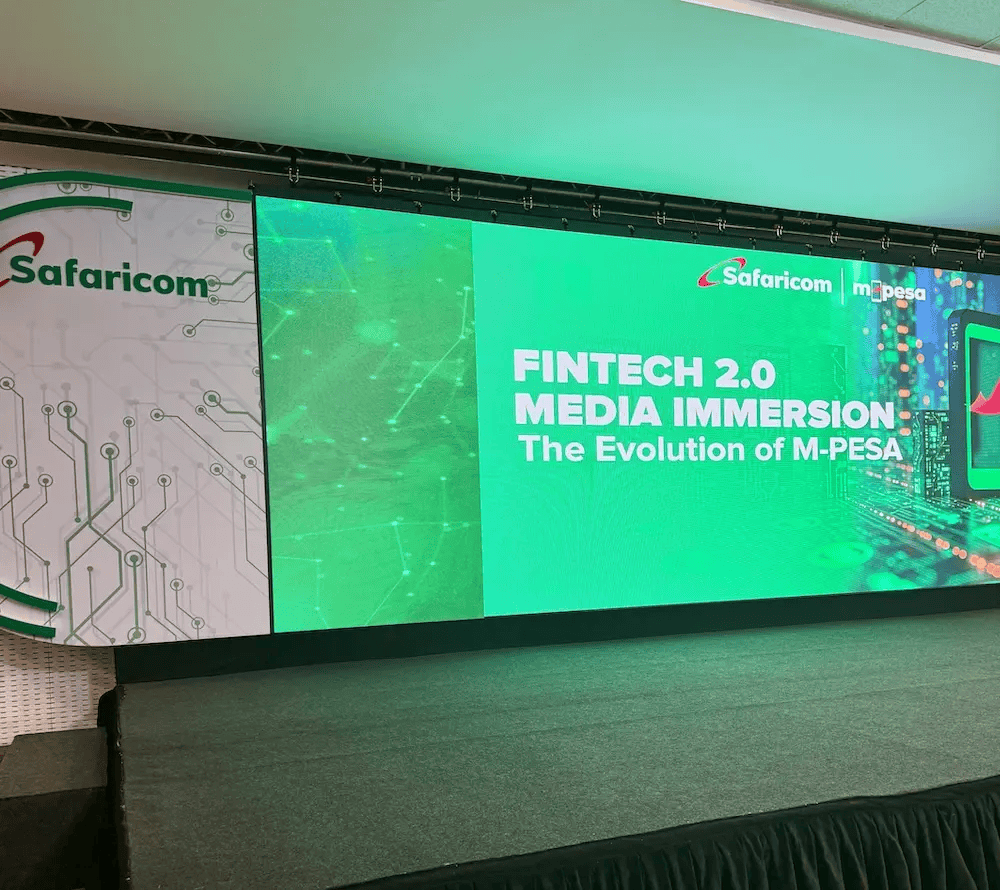
Safaricom has officially rolled out Fintech 2.0, the next-generation core for M-PESA. Beyond the headlines of speed and scale, this shift carries deeper implications for data governance, protection, and Africa’s digital economy.
1. Data Residency and Sovereignty
The new core is cloud-native and locally hosted on Huawei Cloud. For regulators and policy-makers, this is a major step. Hosting financial transaction data within national borders strengthens compliance with data residency requirements and ensures that sensitive data remains under Kenyan jurisdiction. In the era of digital sovereignty, this move directly aligns with both regulatory expectations and the spirit of Africa’s emerging data protection laws.
2. Reliability and Availability
Fintech 2.0 is built on a microservices architecture. This means that individual components of the system can be updated without shutting down the entire platform. For users, this translates to greater uptime, fewer outages, and stronger assurance of data integrity and availability—three cornerstones of data protection.
3. Scale of Data
M-PESA now processes over 21 billion transactions annually for more than 50 million users across Africa. The numbers underscore the immense responsibility of governance at scale. Each transaction carries not only financial value but also personal data that must be safeguarded. The upgrade is a reminder that data governance is not abstract; it is operational, continuous, and directly tied to user trust.
4. Intellectual Property and Ecosystem Play
Safaricom has positioned M-PESA as more than a mobile money service: it is now a platform play. With faster API rollouts and streamlined partner onboarding, banks, fintechs, and developers will be able to plug into M-PESA’s ecosystem with greater ease. This positions M-PESA’s architecture and the APIs themselves as key pieces of intellectual property. From a governance perspective, it raises new questions: how are data flows managed across partners, and what guardrails are in place for data sharing and protection?
5. AI and the Cloud Policy Connection
While the upgrade itself does not introduce new AI features, its alignment with Kenya’s national cloud policy, which explicitly backs AI growth, is notable. By hosting Fintech 2.0 locally, Safaricom is future-proofing its infrastructure to support advanced services, potentially including AI-driven financial tools. This signals that data governance will need to keep pace with innovations that blend payments, analytics, and AI.
Why This Matters
Fintech 2.0 is not just a technical upgrade. It is a statement of intent: Africa’s largest mobile money platform is modernizing in ways that respect data sovereignty, strengthen reliability, and enable ecosystem growth.
For data governance practitioners, it sets a precedent. Cloud-native, locally hosted, API-first platforms are becoming the new norm. The challenge and opportunity will be to ensure governance frameworks evolve in step with these innovations.
Africa’s fintech revolution is racing ahead—but governance must keep up. As private players like Safaricom set the pace, the question is no longer if data sovereignty matters, but how far regulators are willing to go to safeguard it.